When playing the piano is about learning strict classical pieces, grand sonatas, and études are imagined by many. But imagine not the whole musical world is classical; much broader and more diverse it is, and only a starting point is classical music. Not only the art of Bach, Mozart, and Chopin, but also a wealth of genres capable of revealing the creative potential of every performer is modern piano.
A base classical music is for some, while for others it is a limitation. However, by broadening horizons through the immersion in pop, rock, and jazz styles, understanding rhythm, emotional expressiveness, and improvisation becomes easier. It is exactly behind these genres that common energy, flexibility, and opportunities for self-expression lie, which traditional lessons sometimes do not provide.
This modern path spans pop lessons, rock piano, jazz modules, genre-specific pathways, and the Talented repertoire to enrich genre exploration, session variety, and learning flavor across musical genres.
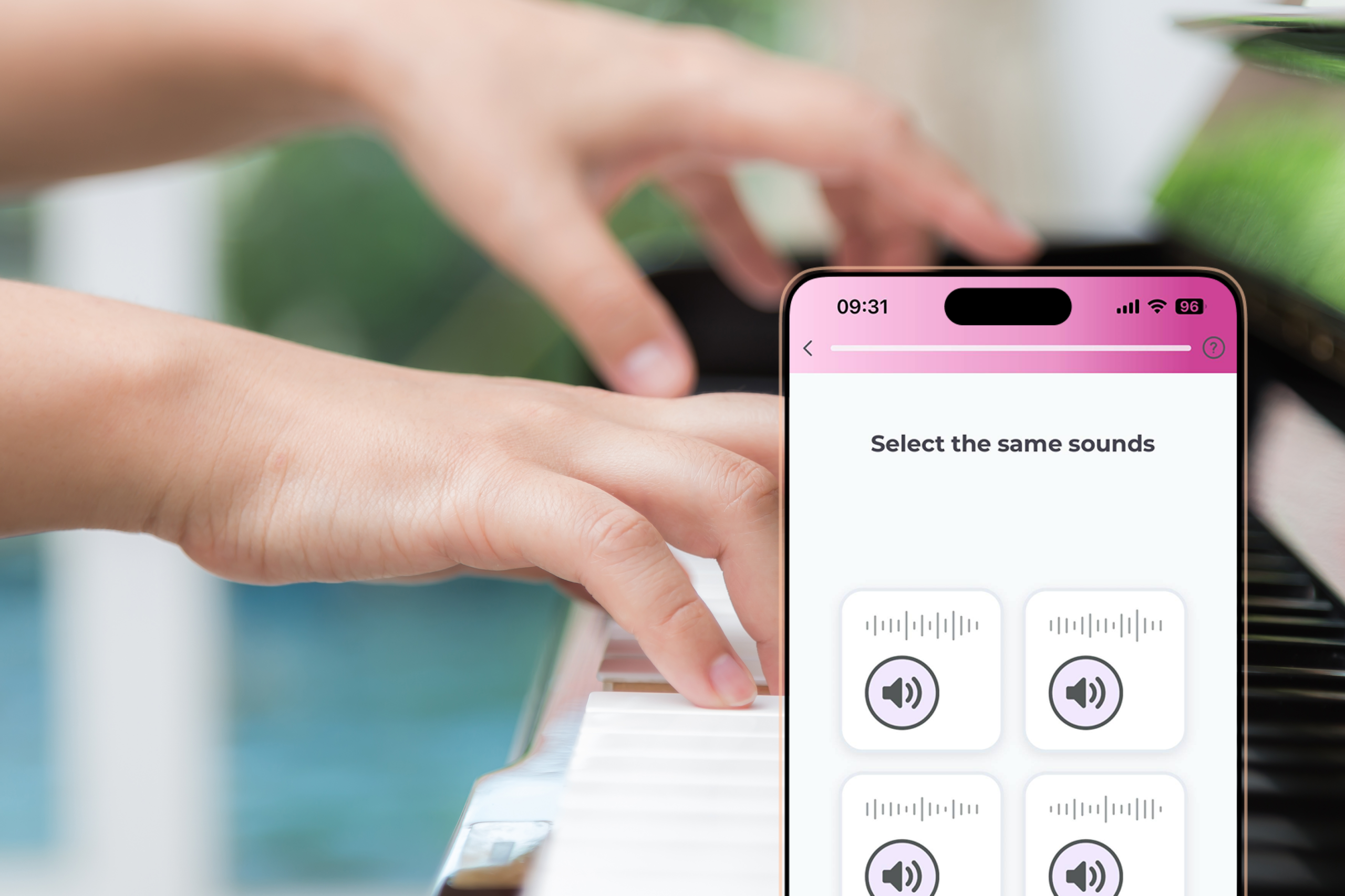
For flexible access and modern practice, a free piano training app can support contemporary lessons, play-along tracks, and repertoire customization.
Features of learning pop music on the piano
A dynamically developing genre, which combines simplicity of perception and melodiousness, is represented by pop music.
| Feature | What to develop | Practical advice |
| Singing & accompaniment | Lightness, clarity, expressiveness | Practice in short fragments |
| Modern arrangements | Familiarity with various styles | Use MIDI tracks and background |
| Rhythmic stability | Sense of time, metronome | Practice with a metronome |
| Tempo and dynamics | Control of speed and volume | Play with gradual tempo changes |
| Interpretation of emotion | Conveying mood | Analytical listening and record |
It is in the understanding and improvement of these elements that make learning pop music on the piano engaging and effective. Providing a structured approach, our application does—where each user charts their own course to mastery, using modern tools and techniques. This is a natural space for pop lessons with style-specific drills, interactive sessions, and stylistic feedback.
Talented Methodology — An Individual Approach to Non-Traditional Styles
In the realm of music, learning each style requires a particular approach.
Classical music is indeed the basis, but to play successfully in pop, rock, or jazz, different skills and perspective are called for—and that’s just what Talented understands.
Based on principles of deep personalization and adaptability, this training methodology has been built, where every student is a unique musical space for development.
What makes Talented different?
- Musical Preferences and Goals Diagnosis
Not imposing rigid frameworks from the very outset, the goal being to find out with what style the student will resonate, what kind of music they want to work with, and where they see their future in music.
This is the step where motivating and relevant learning is built. - Development of an Individual Study Program
An adapted program is created in accordance with initial diagnostics, considering not only chosen genres but also mastery level of technique, rhythm sense, and ear.
As the child has progressed and his interests have taken new turns, so has the program changed. - Stylistic Elements to Focus On
The most important elements for pop music are chord progressions and playing along to backing tracks;
The driving rhythm and energetic dynamic contrasts require rock;
Above all, jazz is improvisation, free time feeling, and listening skills.
- Use of Modern Technologies
Multimedia materials, online platforms, and audio/video analyses accompany learning, significantly expanding opportunities for understanding and practicing complex performance elements. - Constant Feedback and Support
The regular recommendations and motivations that students get keep their interest and accelerate their progress. Non-standard styles are then successfully mastered through dialogue between student and teacher.
Conclusion
The Talented methodology is not just a set of lessons but a lively, flexible process in which everyone can feel not like a student, but like a creator. An adaptation to personal goals and features allows your learning to be a musical journey, with classical music just the starting point, beyond which lies a boundless world of new genres and sounds. This is inherently genre-specific training powered by the Talented repertoire for modern practice and music repertoire growth.
Practical Tips for Fast Progress in Pop, Rock, and Jazz
The path to mastery in unconventional piano styles is always a challenge; but significantly easier and more effective it can be made with the right approach. Ways to keep learning enjoyable and visibly progressive, rather than a routine, we app developers have long sought. Here are some recommendations that could help accelerate your mastery of Pop, Rock, and Jazz.
Conclusion
This is what our experience teaches: a careful sequence, awareness, and love for music become the keys to quick progress. Structured practice combined with creative freedom allows you not just to play notes but really to live the music, opening new horizons of piano mastery. Here, genre-specific genre modules and contemporary lessons build session variety with style-specific drills and play-along tracks.
How Talented Helps Unleash Musical Potential Beyond Classical Music
Confident in Talented they are, restricted to classical pieces music education is not. Precisely for this reason, the school’s method features skill development features in the popular genres: pop, rock, and jazz. Talented—how does it reveal a student’s potential?
- Individual approach: each student is unique. The program is tailored under the interests and skill levels, so learning new styles is going to be as productive and engaging as possible.
- Repertoire diversity: from modern pop hits to iconic rock compositions and complex jazz standards — versatile material helps develop musical ear and technique.
- Practical exercises: improvisations, rhythmic patterns, and genre-specific music theory aspects are constantly included, forming deep understanding and creative thinking.
- Feedback and support: learning is carried out with regular error correction and encouragement of creative experiments so that confidence during performance and compositional search students feel.
- Use of modern technologies: Digital means and multimedia resources have been widely applied at Talented, simplifying the process of mastering new styles and motivating independent practice.
Thus, it is not just teaching piano playing that the school does; it helps to reveal the individual musical voice of every person beyond the boundaries of a genre. This aligns naturally with Talented repertoire growth, rock piano confidence, and jazz modules for interactive sessions.
Summary — New Horizons for Piano Playing with Talented
The following are some key advantages which can be put forward while studying with Talented for those who want to go beyond classical music:
- Widening of musical outlook: Learning diverse styles opens new ways of musical expression and understanding.
- Development of flexibility and creativity: Improvisation and experimentation become natural parts of playing.
- Enhancement of technical skills: Each genre demands the performer’s mastery over a particular technique and rhythm, thus enriching his toolkit.
- Individual support: Personalized lessons consider personal goals and preferences.
- Motivation and inspiration: Innovative methods and vivid musical projects stimulate constant growth.
Where is the way to mastery and self-expression more illuminating and multifaceted? Talented offers nothing less than complete immersion into the world of contemporary music, where classical is just a starting point, and true creativity begins where the familiar ends. In practice, this brings together pop lessons, genre-specific study plans, and curated Talented repertoire for sound diversity and music repertoire depth.